
A few months ago I was in Soho on a gorgeous, sunny, late winter day to meet a friend for lunch. Hillary Kerr (Hi Everyone) finally convinced me over 8 months to buy this leather skirt. I was going to London and I needed an outfit. So I made a small detour.
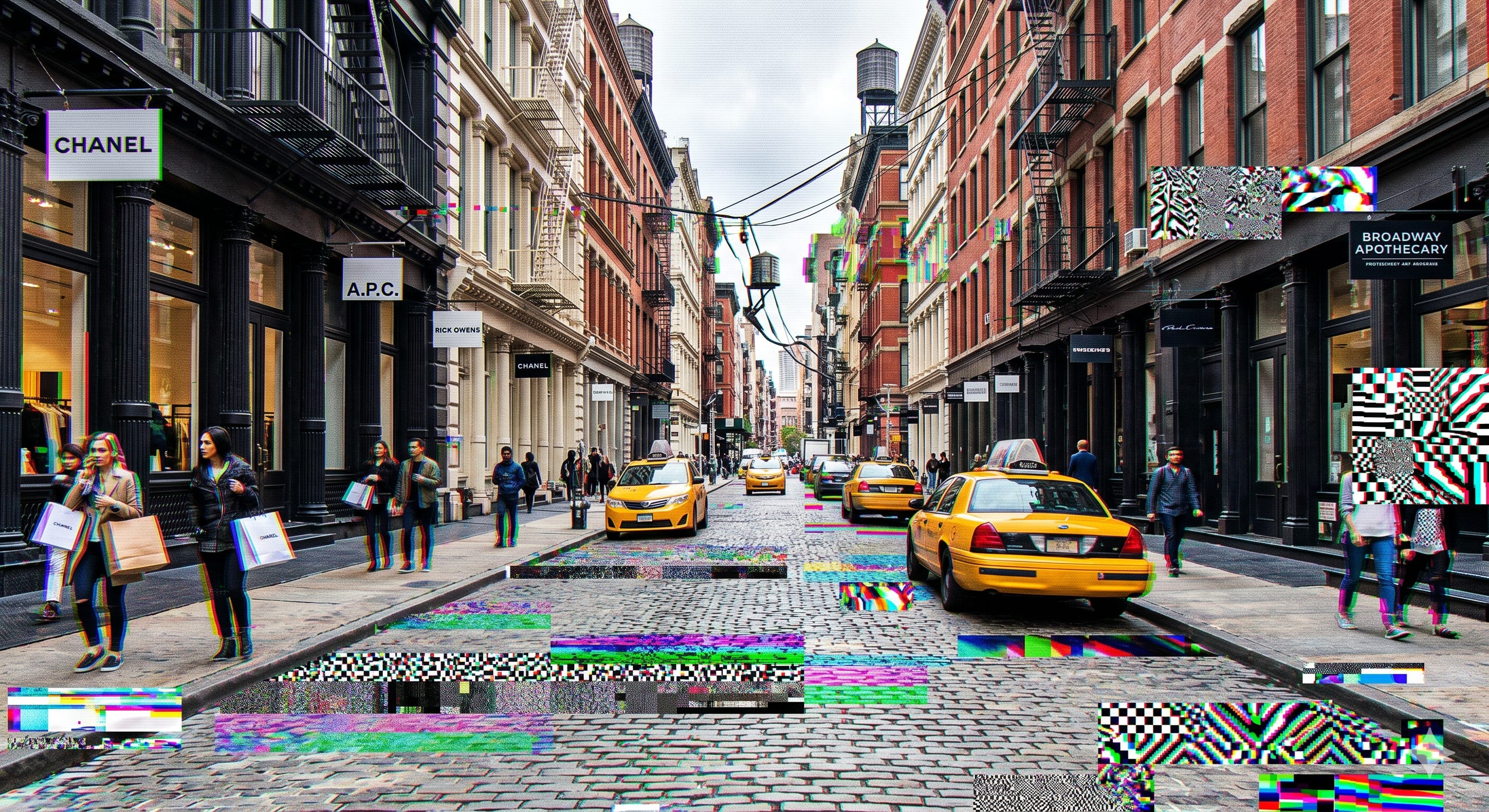
A.L.C. was nearly empty. A man with an iPad greeted me. No local stock. He got me exactly what I wanted, delivered to my door, the very next day. The transaction was seamless. And soulless.
I didn’t want efficiency. I wanted real discovery, actual serendipity found on the sale rack. I wanted the energy of a room where a gaggle of friends were low-key one-upping each other on their teens’ accomplishments or to see a West Village girl with her first big paycheck channeling her inner Carrie.
A few minutes later, I went to exchange a pair of shoes at STAUD a few doors down. Also a beautiful store, same quiet, same iPad, same result, same feeling. I walked four blocks for this? The experience wasn’t better than I could have had on my couch.
Friction was removed. So was texture. I’ve been calling this the seamlessness paradox others are calling parts of it the frictionless trap. Whatever you name it, removing all friction is not good for brands or consumers. Elimination of friction is usually good for the transaction, for thru put, but the transaction is not the experience. Yet.
Compare my Soho experience that to the last time I bought something at Rachel Comey. It was dark and dreary outside, and the store felt like a refuge as Nelly Furtado played on the speakers. (I tried to remember the last time I heard “I’m Like a Bird” while in the dressing room.) A follow-up note arrived a few days after the purchase: warm, well-timed, referencing how much the stylist loved my glasses. I remembered it for months as deeply personal. Handwritten, if I recall. Specific to me.
Except it wasn’t like that at all, actually.
I found the email just now—a message sent through a clienteling platform. Templated, a heart emoji, an email signature from the actual sales associate.
I’d been carrying around an overblown memory of this correspondance for months. I compounded the positive effects I had in-store and projected them onto an email. I was completely wrong about the facts. In my defense, they didn’t matter. The fact that I had to check my notes and discovered the value I attributed to the brand had increased relative to the actual experience is the whole point. That’s Kahneman’s peak-end rule in practice: we don’t remember experiences as averages; we remember the moments that made us feel something.1
My hopeful takeaway: you can create genuine brand warmth with some good vibes, good copywriting, excellent timing, and limited use of emojis. Rachel Comey had the same conditions as A.L.C. and STAUD. Quiet store, small staff, one transaction. The difference was texture—a richness in the experience.
Most of the conversation right now frames strategic friction as scarcity: limited drops, waitlists, controlled access. Manufactured difficulty as a brand signal. That’s a tactic, but it’s only one—and it only works if you’re already a brand people queue for.
Texture is the story for the rest of us. Not making things harder to get, but making brands worth veering out of the way for. It’s the part of an experience that makes it specific, irreducible, and worth the trip. And unlike scarcity, it’s an opportunity many more brands can take advantage of.
Some people react to visceral, cues (lighting, scent, beats). I feel a space when I’m in it. Maybe you are relational: gravitating to the place where the cashier asks about your tennis game. Or maybe you’re a sucker for narrative: the video of an Italian olive grove makes you smile every time you smell the briny drizzle. Brands need to design moments where they actually want you to stop and appreciate what they created.
I love dressing beds. Belgian linen, Italian Matelassé, European goose down. Two duvets, one folded at the foot, because the layering changes the whole architecture of the thing. Rhubarb and rose-colored linens from Piglet in Bed, decorative pillows from Anthropologie (reviled by long-suffering partners everywhere). I’m at my most maximalist because linens are the place I feel most free playing with literal texture—the color, the patterns, the buttons, the piping, the soft, the crisp, the downright fuzzy. So many layers transforming the ordinary into something you actually notice and immediately want to dive into.
Those are layered, considered, sensorial narrative, relational experiences are the ones to build. And the ones most of us consumers want to have.
Kahneman, D. (1999). “Objective Happiness.” In Well-Being: The Foundations of Hedonic Psychology. Russell Sage Foundation.
your taste is also 🔥 🔥 🔥